Traditional Cuisine And Local Flavors
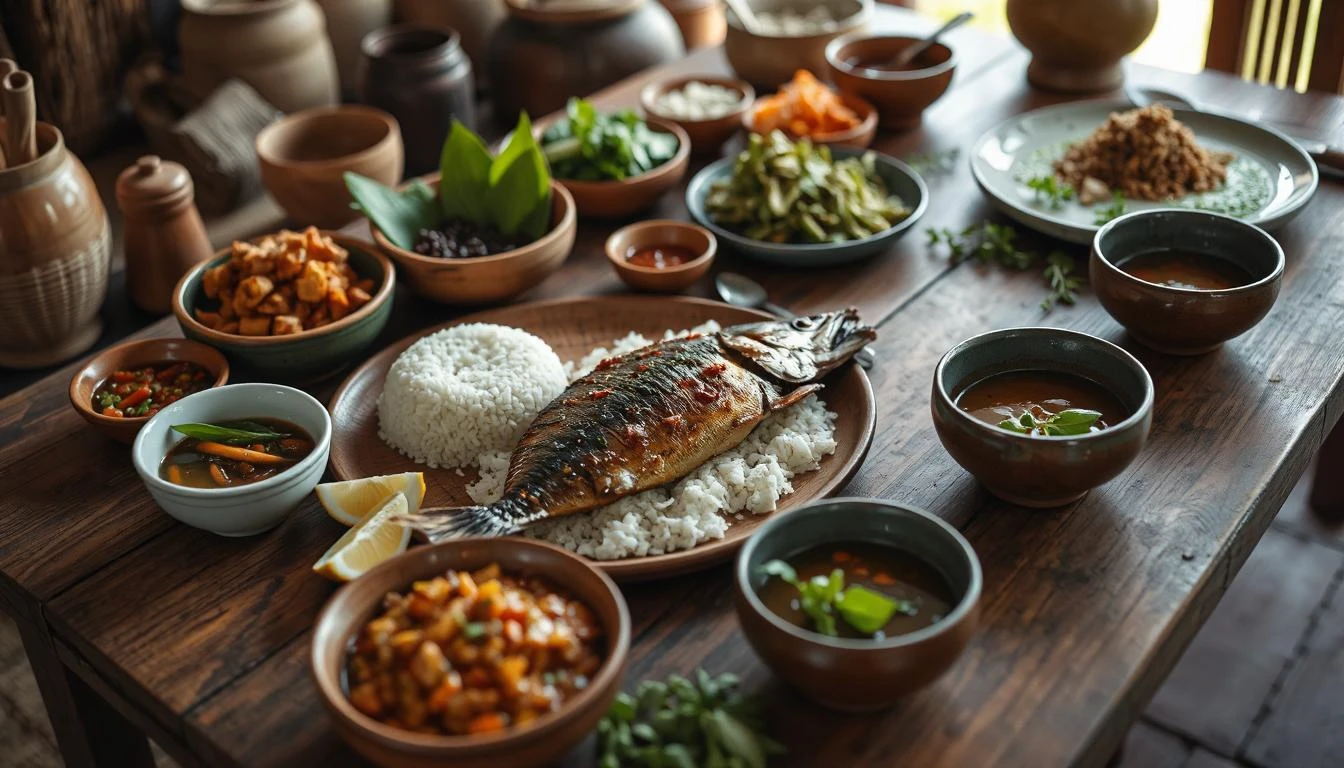
The world of food is more than a daily necessity, it is a living archive of human civilization. Every aroma drifting from a kitchen, every spice blended into a recipe, carries echoes of history, migration, and cultural identity. When you begin to look deeper, you realize that food is not just eaten, it is experienced, remembered, and shared across generations.
Across continents and cultures, people are increasingly searching for meaning in what they eat. This is where traditional cuisine local flavors become a guiding compass, connecting modern dining habits with ancestral wisdom that still breathes through every dish today.
Exploring Traditional Cuisine Around The World
Food has always been a universal language, yet each region speaks it differently through taste, texture, and tradition. In today’s interconnected world, curiosity about heritage dishes is growing rapidly, driven by cultural exploration and digital storytelling.
The relevance of cultural dishes and regional recipes continues to rise as travelers and food lovers seek deeper meaning behind every bite. Meanwhile, food heritage plays a crucial role in preserving identity, ensuring that culinary traditions remain alive rather than forgotten.
Why traditional dishes remain culturally important
Traditional dishes are not static recipes; they are evolving stories. They carry rituals, beliefs, and collective memory. As culinary historian Dr. Harold McGee explains, “Food is a cultural document written in flavor, shaped by time and place.” This perspective highlights how deeply traditional cuisine local flavors are tied to identity and continuity.
The connection between food and community identity
Communities are often defined by what they cook together. Shared meals strengthen belonging and create emotional ties that transcend language. Through food anthropology, we understand how culinary practices become markers of identity, reflecting both heritage and adaptation in a changing world.
Discovering recipes rooted in local heritage
Exploring regional recipes feels like unlocking hidden chapters of history. Many of these dishes are shaped by centuries of migration, trade routes, and environmental adaptation. Chef Marco Bianchi once noted, “A recipe is a memory you can taste,” emphasizing how deeply food connects past and present.
Understanding The Origins Of Local Flavors
The origin of taste is never accidental. It is shaped by geography, climate, and the availability of natural resources that define how communities cook and eat.
Here, cultural dishes evolve through environment-driven creativity, while indigenous ingredients and regional recipes reflect the land itself. Concepts like terroir-based cooking, street food culture, and fermentation traditions reveal how deeply flavor is rooted in place.
How geography influences culinary traditions
Mountains, seas, and fertile plains determine what grows and what survives. Coastal areas lean toward seafood-rich diets, while inland regions rely heavily on grains and preserved foods. This natural shaping of cuisine demonstrates how traditional cuisine local flavors are inseparable from geography.
The role of ingredients in regional cooking styles
Ingredients are the foundation of every dish. Spices, herbs, and grains define the uniqueness of a region’s culinary identity. The use of indigenous ingredients is what transforms simple cooking into deeply rooted cultural dishes that reflect history and environment.
Exploring food practices passed across generations
Cooking techniques such as smoking, drying, and fermenting are inherited knowledge systems. These fermentation traditions preserve both flavor and food safety, while also connecting generations through shared culinary practice.
Preserving Culinary Heritage Through Food
In a rapidly modernizing world, preserving culinary identity has become more important than ever. Food is now recognized not only as nourishment but also as cultural preservation.
The rise of culinary tourism, food anthropology, and gastronomic heritage reflects a global movement toward rediscovering authenticity. At the same time, the expansion of the global food marketplace and digital food commerce is reshaping how people access traditional flavors.
Appreciating cultural diversity through cuisine
Food diversity allows people to understand cultures without needing translation. Every dish offers insight into values, traditions, and history. This is why exploring traditional cuisine local flavors remains a meaningful way to experience global diversity.
Learning the stories behind traditional dishes
Behind every recipe lies a story of survival, celebration, or adaptation. As food researcher Dr. Lina Torres states, “Cuisine is memory made edible, carrying generations within each bite.” This reinforces how deeply food heritage is embedded in everyday meals.
Supporting local food traditions and communities
Modern consumers are increasingly drawn to sustainability-focused eating habits such as the farm-to-table movement. Supporting local producers helps preserve regional recipes while strengthening small communities that maintain culinary traditions.
Discover Authentic Traditional Cuisine
The digital era has transformed how people explore food culture. Platforms and marketplaces now allow users to experience global flavors without leaving home. Searching for how to experience authentic traditional cuisine while traveling has become easier, guiding travelers toward meaningful food experiences. Likewise, those asking where to find authentic regional recipes online now have access to curated culinary archives and community-driven platforms.
This evolution also highlights how traditional cuisine local flavors are no longer limited to geography, they are now shared, studied, and preserved through digital networks. The rise of the global food marketplace ensures that even rare ingredients and forgotten dishes remain accessible.
Food expert Dr. Anya Robertson once said, “Authenticity in cuisine is not about repetition, but about preserving essence while embracing change.” This idea perfectly captures the balance between tradition and innovation in today’s culinary landscape.
Experiencing food today is no longer passive. It invites participation, curiosity, and responsibility. When you explore traditional cuisine local flavors, you are engaging in a global conversation that connects past and future through taste.