Wine Pairing For Better Dining
Dining today is no longer just about eating, it’s about how every element on the table communicates with your senses. Wine, in particular, has become a silent storyteller in global cuisine, shaping moods, enhancing textures, and deepening the emotional rhythm of a meal. Across cultures and modern culinary spaces, pairing wine with food has evolved into a subtle craft that invites curiosity rather than rigid rules.
When approached thoughtfully, wine pairing better dining becomes more than a culinary technique, it turns into a personal exploration of taste, memory, and experience. Each sip can shift the perception of a dish, just as each bite can redefine the character of a wine. It is a living interaction, constantly changing depending on context, ingredients, and even emotion.
Exploring The Art Of Wine Pairing
Wine pairing is often described as a dialogue between glass and plate, where each element listens and responds to the other. This section opens the door to understanding how deeply intertwined flavor perception can be when wine is introduced into a meal. Many culinary professionals view it as an essential layer of modern dining sophistication.
As wine pairing better dining continues to gain global attention, the concept of food pairing dining experience becomes central in understanding how meals can be elevated beyond expectation. According to sommelier Julien Lefèvre, “Wine pairing is not about dominance, but about creating harmony where neither food nor wine competes.” Meanwhile, chef Isabella Moretti adds, “Balance is the invisible ingredient that defines whether a meal is remembered or forgotten.”
Why pairing enhances the dining experience
Pairing enhances dining by activating multiple sensory layers at once. A well-matched wine can highlight hidden notes in a dish, making flavors feel fuller and more dimensional. This interaction transforms eating into a curated experience rather than a routine activity.
The connection between flavors and balance
Flavor balance is the foundation of successful pairing. Sweetness softens spice, acidity cuts through richness, and tannins structure heavier dishes. These interactions create a dynamic equilibrium that keeps the palate engaged from start to finish.
Understanding how food and wine complement each other
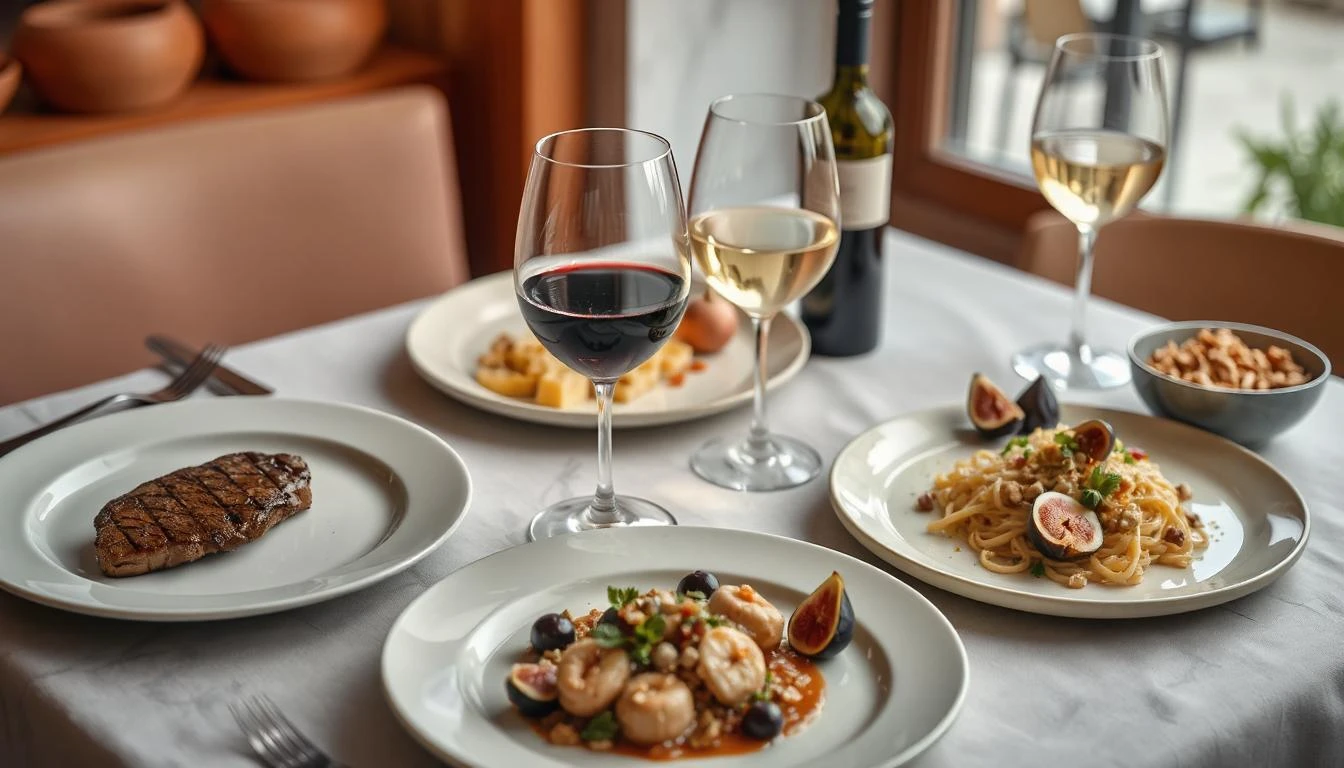
Food and wine complement each other when they share or contrast key flavor profiles in a deliberate way. A creamy pasta, for example, may find balance in a crisp white wine, while grilled meats often align with deeper, more robust reds.
Learning The Basics Of Flavor Matching
Understanding pairing begins with recognizing how ingredients behave when combined with different wine structures. This foundational knowledge allows diners to move beyond guesswork and into intentional selection.
The idea of wine pairing better dining becomes even more meaningful when supported by flavor balance, especially as modern dining trends shift toward personalization and sensory awareness. This growing awareness encourages diners to think critically about how each component interacts on the palate.
How different foods influence pairing choices
Different foods carry different intensities. Spicy dishes demand wines with slight sweetness, while fatty foods benefit from high acidity to cleanse the palate. These contrasts define the structure of a well-rounded dining experience.
The role of texture and aroma in dining
Texture and aroma are often overlooked but play a crucial role in pairing success. Silky textures pair well with smooth wines, while smoky aromas often require bold, expressive selections to maintain harmony.
Exploring common pairing approaches for various meals
There are two main approaches: complementary pairing, where flavors align, and contrasting pairing, where differences create balance. Both methods can be effective depending on the dish and dining intention.
Creating More Enjoyable Dining Experiences
Dining becomes more meaningful when it is approached with curiosity and experimentation. Wine pairing is not a fixed formula but an evolving skill shaped by personal taste and cultural exposure.
As wine pairing better dining becomes more accessible globally, individuals are increasingly experimenting with combinations that reflect their own preferences. This shift has made food pairing dining experience a creative space rather than a formal rulebook.
Building confidence when selecting pairings
Confidence grows through repetition and observation. Trying different combinations helps refine personal taste and builds intuitive understanding of what works and what doesn’t.
Experimenting with combinations for different occasions
Every occasion carries its own atmosphere. Casual meals may favor light, refreshing wines, while celebratory dinners often call for bold, expressive pairings that enhance the moment.
Appreciating flavors through thoughtful pairing choices
Thoughtful pairing encourages mindfulness in dining. Each combination becomes an opportunity to observe how flavors evolve and interact over time.
Enhance Meals Through Wine Pairing
The modern dining landscape is increasingly shaped by experimentation and cross-cultural influence. Wine pairing is no longer confined to fine dining restaurants, it is now part of everyday culinary exploration, accessible to anyone willing to explore flavor with intention.
In this evolving space, wine pairing better dining continues to redefine how people connect with food. It transforms meals into experiences that feel more intentional, layered, and emotionally engaging. The idea of flavor balance remains central, guiding every thoughtful pairing decision.